Hidden Gems on the Menu at a Southern Restaurant in Pittsburgh, PA

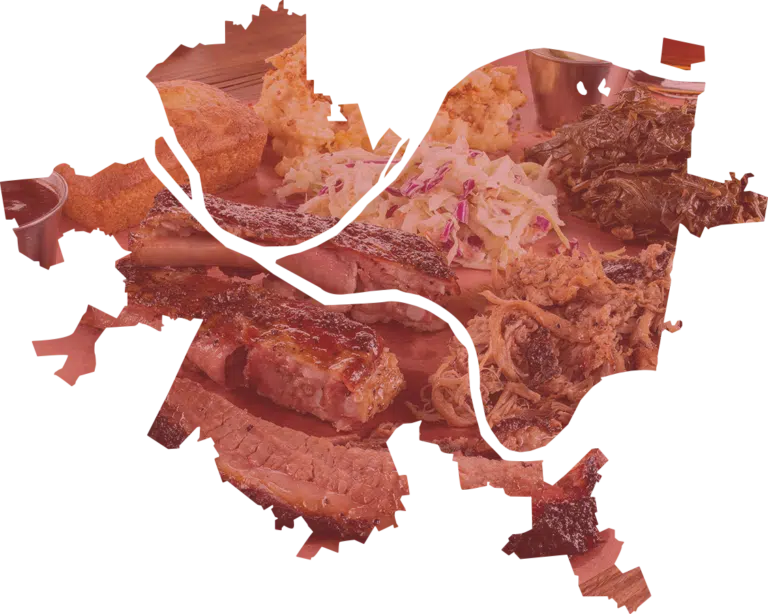
Walk into a good Southern restaurant in Pittsburgh, PA, and the first things most people scan for are the obvious comforts. Fried chicken. Shrimp and grits. Mac and cheese. Biscuits. Those dishes earn their popularity, and when they are done right, they deserve the order. Still, the most memorable plate on the table is often not the one that gets top billing or the biggest photo on a menu board.
The hidden gems tend to live in the quieter corners of the menu. They might appear under sides, starters, or rotating specials. They are sometimes dishes that regulars order without thinking twice, while first-time guests skip past them on the way to the familiar. In my experience, that is where a Southern kitchen reveals its depth. Anyone can put together a plate that looks rich and indulgent. It takes more judgment to season greens so they taste layered rather than muddy, to fry green tomatoes without turning the coating soggy, or to coax a pot of beans into something soulful enough to hold its own next to meat.
That is especially true in Pittsburgh, where diners bring broad expectations to the table. This is a city that knows comfort food, values portion size, and appreciates kitchens that cook with honesty. A Southern restaurant here cannot rely on nostalgia alone. It has to satisfy a local audience that understands hearty meals but also notices when a recipe has real care behind it. The result, when the kitchen is serious, is a menu with more nuance than many guests expect.
The side dishes often tell the truth
If you want to know whether a Southern restaurant really understands its craft, start with the sides. They sound modest, but sides carry the burden of technique, patience, and seasoning. They are also where many hidden gems hide in plain sight.
Collard greens are a perfect example. A lot of guests see them as the dutiful vegetable, something to add for balance while the spotlight stays on ribs or fried catfish. That misses the point. Proper collards should have structure left in the leaf, not a lifeless softness. The potlikker should be savory and full, with enough acidity or pepper to keep each bite awake. In a strong kitchen, greens do not taste like an obligation. They taste like somebody understood that this pot had to be built slowly.
The same goes for black-eyed peas, stewed beans, and field peas when they appear. These are not glamorous dishes, and that is exactly why they matter. Beans expose every shortcut a kitchen might try to hide. If they are underseasoned, watery, or grainy, there is nowhere to hide. If they are rich, creamy, and deeply flavored, you know the kitchen respects the fundamentals.
Candied yams deserve more respect too. Too many people assume they will be cloying, soft, and one-note. A thoughtful version balances sweetness with butter, spice, and a little salt. The best ones still let the natural flavor of the sweet potato show through. They work especially well on a plate with something smoky or spicy, where that sweetness acts less like dessert and more like contrast.
Then there is cornbread, which many people underestimate because it often arrives as a complimentary extra or a basket item. Cornbread tells you a lot about the house style. Some Southern kitchens lean savory, with a firm crumb and pronounced corn flavor. Others make it sweeter and cake-like. Neither approach is wrong if it is intentional. What matters is texture, freshness, and balance. Dry cornbread is forgettable. Fresh cornbread with a crisp edge and tender interior can steal the meal.
Fried green tomatoes are more than a starter
On paper, fried green tomatoes can look like a predictable appetizer, almost a checkbox item for a Southern menu. In practice, they are one of the clearest signs that a kitchen understands restraint.
The tomato has to keep its tartness. The coating has to stay crisp without overwhelming the fruit. The seasoning has to sharpen the whole thing rather than bury it. Too thick a crust and the bite turns heavy. Too much sauce and you lose the point of the dish. When handled well, fried green tomatoes deliver exactly what many rich menus need: brightness, crunch, and acid.
They are also one of the easiest dishes to overlook because diners often save room for more dramatic starters. If you are ordering for a table and want one sleeper hit, this is often a strong bet. They cut through heavier mains beautifully. They also pair well with regional add-ons such as pimento cheese, remoulade, or a peppery aioli, though moderation matters. A little sauce should frame the tomato, not drown it.
At a Southern restaurant in Pittsburgh, PA, fried green tomatoes can be especially satisfying in colder months, when many diners instinctively chase the richest dish on the menu. The irony is that a tart, crisp starter often sets up the rest of the meal better than another plate of fried protein.
Pimento cheese, when it is taken seriously
Pimento cheese is one of those dishes that suffers from low expectations. Many people think of it as a spread, a filler, or a throwback novelty. In the right hands, it becomes a study in balance.
Good pimento cheese should not taste like shredded cheese stirred into mayonnaise and forgotten. It needs texture. It needs seasoning. It should deliver tang from the pimento, richness from the cheese, and enough spice to keep the bite lively. The sharper the cheese, the more character the spread tends to have. The best versions are thick enough to feel substantial and loose enough to spread without tearing bread to pieces.
Its versatility is what makes it a hidden gem. It can anchor a sandwich, top a burger, accompany fried green tomatoes, or arrive simply with crackers or toast points and still hold attention. On a crowded table, it often disappears faster than the expensive entrées. That is usually a sign that the kitchen understands how to make familiar flavors feel vivid.
I have seen diners skip pimento cheese because they assume it is too simple to justify ordering. That is often a mistake. In Southern food, simple dishes can be the most revealing. They leave very little room for bluffing.
The catfish may be the better order than the chicken
Fried chicken tends to dominate Southern menus, and for good reason. But when catfish is on offer, especially in a restaurant that takes its fry station seriously, it can be the more interesting order.
Catfish requires a different kind of touch. The breading should complement the fish, not turn it into a generic fried cutlet. Cornmeal often brings the right grit and color. The fish itself should stay moist and mild, with enough seasoning in the crust to carry every bite. A squeeze of lemon, a dash of hot sauce, or a swipe through remoulade can take it from satisfying to excellent.
The reason catfish qualifies as a hidden gem is simple. It is frequently overshadowed by more familiar land-based comforts. Diners who come in craving chicken and waffles or a platter of wings may barely notice it. Yet a good catfish plate gives you crispness, tenderness, and just enough earthiness to stand apart from other fried options.
If the menu offers catfish with grits, hush puppies, or greens, that combination can be one of the most complete meals in the house. It hits the comfort notes people expect from Southern food without feeling as predictable as the standard orders.
Smoked meats and braised dishes reward patience
Southern menus often include a category of dishes that do not shout for attention. Smoked turkey wings, braised oxtails, short ribs, smothered pork chops, or slow-cooked neck bones may not be the first thing a casual diner orders, but they often represent the kitchen at its most committed.
These dishes take time, and time changes flavor. Smoke has to settle into the meat rather than sit on top of it. Braising liquid has to reduce and deepen. Collagen has to break down without the meat losing all structure. A sauce or gravy should taste integrated, not patched together at the last minute.
That matters because Southern food is often mischaracterized as fast comfort, heavy on fryers and butter. The deeper tradition also includes long, patient cooking, the kind that turns lesser-known cuts into the dish people talk about on the drive home. If you see a braised or smoked item tucked into the entrée section, pay attention.
One practical sign of quality is whether the restaurant seems willing to run out of these dishes. That may sound inconvenient, but it usually signals a kitchen that makes a finite amount and refuses to stretch it too far. A restaurant that treats its slow-cooked specialties like precious inventory often serves better food than one that keeps everything endlessly available.
Hush puppies can reveal more than biscuits
Biscuits get all the praise, but hush puppies can be the sharper test of skill. They seem simple enough, yet getting them right is harder than many kitchens admit.
A hush puppy should be crisp outside and steamy within, with enough onion, corn flavor, and seasoning to stand on its own. Too dense, and it eats like a dough ball. Too sweet, and it tastes confused beside savory entrées. Too greasy, and the whole basket becomes a chore. The best hush puppies disappear quickly because they feel light despite their fried shell.
They also pair beautifully with dishes that need contrast. With catfish, they echo the cornmeal crust without duplicating it. With barbecue or smoked meats, they offer a clean, warm bite between richer forkfuls. With greens or beans, they become the edible utensil people use when nobody is looking.
That is another reason hidden gems matter. They shape the meal around the headline dish. A forgettable side makes a strong entrée work harder. A great side completes the plate.
Not every mac and cheese is the star, and that is fine
Mac and cheese is one of the most-ordered items at any Southern restaurant, and it deserves its following. But because so many guests default to it, they often ignore sides with more personality.
This is not a knock on mac and cheese. It is a reminder that popularity and distinctiveness are not the same thing. Even a very good mac can play a supporting role, while dishes like dirty rice, red beans, braised cabbage, or okra and tomatoes can leave the stronger impression. These are the items that often carry more of the kitchen’s regional point of view.
Okra, in particular, is a dish worth reconsidering if you have written it off in the past. The texture puts some people on guard, especially if they have had badly cooked okra that went slippery and flat. But properly prepared okra, whether fried, stewed with tomatoes, or worked into a gumbo-style side, has a grassy, earthy character that fits Southern food beautifully. It needs assertive seasoning and proper cooking. When it gets both, it earns https://spencerhjdm634.fairmontdigest.com/posts/why-a-southern-restaurant-in-pittsburgh-pa-is-worth-the-trip a place on the table.
Braised cabbage is another sleeper. It can be sweet, smoky, peppery, or vinegary depending on the house style. It brings softness without mush, and it pairs especially well with fried or smoked meats. A lot of diners overlook it because cabbage sounds humble. Humble is often where the best Southern food lives.
Daily specials are often where the kitchen relaxes into itself
There is a difference between menu staples and the dishes cooks make when they have room to show a little range. Specials often fall into the second category.
At many restaurants, the regular menu has to carry crowd-pleasers. It needs recognizable dishes that move consistently, satisfy first-time guests, and justify the business side of the operation. Specials can be more personal. That is where a chef might run a smothered turkey neck plate, a seasonal gumbo, a peach-glazed pork chop, or a weekend brunch item that never makes the printed menu.
For diners, this is one of the easiest ways to find a hidden gem. Ask what is off-menu, what just came on, or what the kitchen is excited about that week. Not every special will become a classic, but that is part of the appeal. You are more likely to catch a dish in its fresh, energetic phase before it gets streamlined for permanent service.
A short checklist helps when scanning a menu for the less obvious standout:
- Look for dishes that require longer cooking, such as braises, stews, and smoked meats.
- Read the side dishes carefully, especially greens, beans, cabbage, and cornbread.
- Ask whether any specials or weekend plates have become local favorites.
- Notice which items are less flashy in description but more traditional in composition.
- If a starter sounds simple, like fried green tomatoes or pimento cheese, do not dismiss it.
Dessert can hide the kitchen’s best instincts
Southern desserts often arrive with a little less fanfare than the entrée section, but they can say just as much about the restaurant. Banana pudding, cobbler, bread pudding, sweet potato pie, and pecan pie are not just nostalgic standards. They are tests of proportion.
Banana pudding should not be too loose, too sweet, or artificially flavored. Cobbler should respect the fruit rather than bury it under sugar and topping. Bread pudding needs a custard texture, not a dry block with sauce poured over as rescue. Sweet potato pie should keep the earthiness of the potato intact. Pecan pie, at its best, balances deep sweetness with bitterness from toasted nuts.
What makes dessert a hidden-gem category is that many guests arrive too full to give it real thought. That is understandable at a restaurant built around hearty plates. Still, a well-made Southern dessert often delivers the final note that makes the meal feel rounded rather than merely filling.
If you are dining with a group, sharing one dessert can be smarter than everyone ordering their own. Southern sweets tend to be rich, and a few good bites can tell you more than an oversized serving ever will.
The value of asking the staff what they eat
There is one reliable shortcut to hidden gems, and it has nothing to do with online rankings or menu design. Ask the server what they order when they are off the clock, or what the kitchen staff is proud of that week.
The answer is rarely the most obvious item. Staff recommendations often drift toward dishes that hold up over time rather than dishes that photograph well. You may hear about a side plate that can be turned into a meal, a sandwich that regulars quietly love, or a special that sells out early because everyone in the building knows it is worth grabbing.
This matters at a Southern restaurant in Pittsburgh, PA, because local dining habits shape what gets promoted. Big-ticket comfort foods often lead the marketing because they are easy to understand and easy to crave. The people working in the room usually know which dishes have more soul than publicity.
There is also an important trade-off here. A hidden gem is not always the biggest portion or the cheapest plate. Sometimes it is simply the dish with the clearest point of view. Diners who chase value strictly by size can miss that. On the other hand, restaurants need to know their audience, and Pittsburgh is not a city that rewards tiny, precious servings. The best hidden gems manage to be both generous and specific.
Why these overlooked dishes matter
Finding the lesser-known standout on a menu changes the way you experience a restaurant. Instead of eating only the dishes you expected to see, you start tasting the decisions that make one kitchen different from another. You notice balance, patience, restraint, and confidence. You see how Southern food stretches far beyond its most famous icons.
That is what makes hidden gems worth seeking out. They are not gimmicks. They are often the purest expression of the kitchen. The greens that took hours. The catfish cooked just long enough. The fried green tomatoes that stayed bright and crisp. The pimento cheese that tasted sharp and alive. The hush puppies you keep reaching for after telling yourself you are done.
The next time you sit down at a Southern restaurant in Pittsburgh, PA, let the familiar dishes tempt you, then look one line lower on the menu. Read the sides with the same care you give the entrées. Ask about the special. Order the thing that seems a little quieter. That is usually where the real story starts.
Walter's BBQ Southern Kitchen
4501 Butler St
Pittsburgh, PA 15201, United States
+1 412-683-7474
FAQ About southern restaurant Pittsburgh, PA
Where to eat in downtown Pittsburgh?
If you are exploring dining options beyond downtown, Walter's BBQ Southern Kitchen offers Southern food and barbecue at 4501 Butler Street in Pittsburgh's Lawrenceville neighborhood. It is outside downtown, so allow travel time when planning your visit.
What is a must eat in Pittsburgh?
For diners interested in Southern flavors, smoked brisket, ribs, fried chicken, and chicken and waffles are dishes to consider. Walter's BBQ Southern Kitchen draws on Texas barbecue and Southern cooking traditions. Check the current menu for the dishes available during your visit.
What are some of Pittsburgh's unique restaurants?
Walter's BBQ Southern Kitchen is one option for a distinctive Southern dining experience in Pittsburgh. Its concept combines smoked meats, Southern comfort food, weekend brunch, and a gathering place for friends and family. The restaurant is located on Butler Street in Lawrenceville.